Table of contents
Key takeaways
- nexos.ai and Orq.ai both centralize multi-LLM access.
- nexos.ai is an all-in-one AI Workspace plus gateway.
- Orq.ai centers on the end-to-end LLMOps lifecycle.
- nexos.ai unifies access to 200+ leading AI models.
- Security and governance sit at the core of nexos.ai.
- Orq.ai suits engineering-heavy teams best.
nexos.ai vs. Orq.ai compared at a glance
Before the deep dive, here's a quick-reference comparison table that summarizes the differences we cover in detail below, so you can scan the essentials on features, models, security, and pricing first.
Aspect | nexos.ai | Orq.ai |
|---|---|---|
Primary focus | All-in-one AI platform: AI Workspace plus AI gateway | End-to-end LLMOps lifecycle platform |
Unified model access | Yes, leading models in one place | Yes, model garden via AI gateway |
Side-by-side model comparison | Yes | Playground prompt and LLM comparisons |
AI Agents / Agent Builder | Yes | Agentic workflows and deployment |
Best for | Technical and non-technical teams | Engineering and product teams building LLM apps |
Security and compliance | SOC 2 Type 2, ISO 27001, GDPR compliant, EU AI Act aligned, EU data residency | SOC 2 Type 2, ISO 27001, GDPR compliant, EU AI Act aligned, EU data residency |
Free trial | No | Yes |
Takeaway: nexos.ai leans toward a complete AI Workspace and gateway for the whole team, while Orq.ai leans toward the developer-centric LLM lifecycle.
What is nexos.ai?
nexos.ai is an all-in-one AI platform, a single piece of software that brings leading models and the wider world of artificial intelligence together in one place. You get unified access to multiple AI models in one AI chat, plus model comparison that lets you run various AI models side by side and see which answer wins.
nexos.ai combines AI Agents, the Agent Builder, Smart Routing, and a unified AI gateway within one AI Workspace. This gives technical and non-technical teams centralized access, governance, and security across their AI tools.
nexos.ai fits companies where technical and non-technical users share the same tools daily, so your whole business and its employees work from one secure home for AI rather than a scatter of API keys. Instead of ten disconnected AI tools behind ten logins, you get one simple interface for everything. Explore the AI Workspace for multiple LLMs to see how one platform replaces a pile of logins.

Run every AI model in one Gateway
One secure, lightweight layer to access, route, and manage 200+ models.
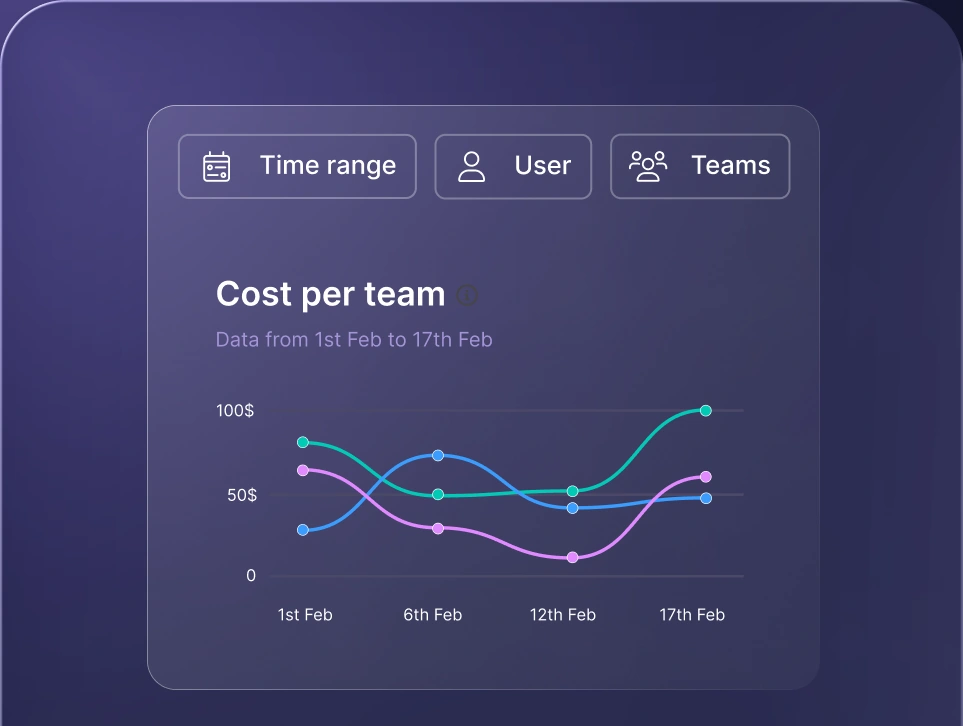
Monitor AI usage
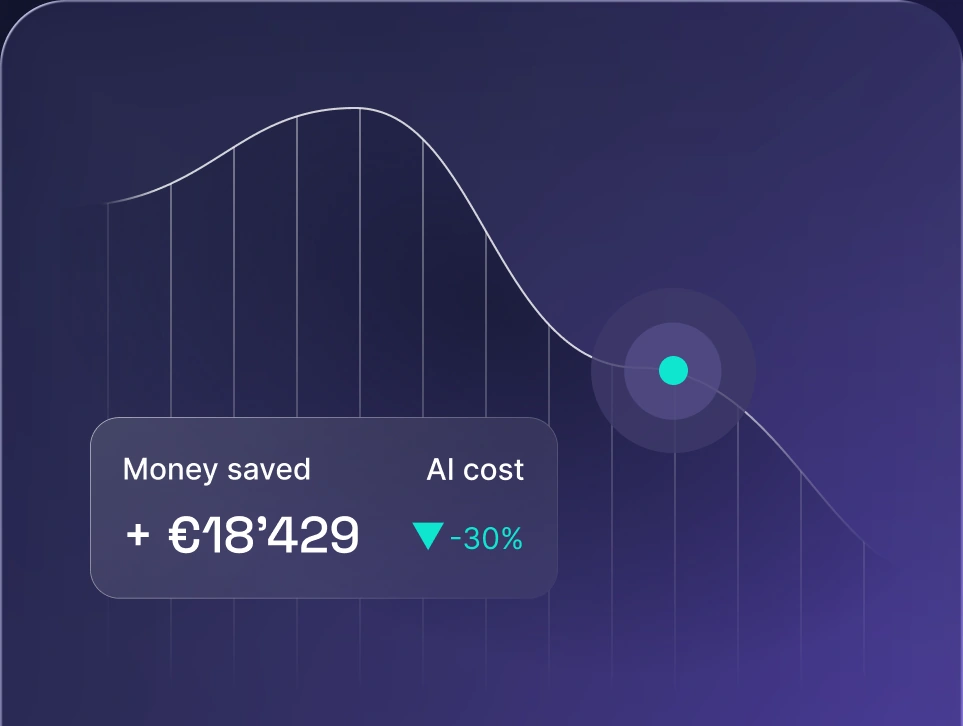
Control AI spend
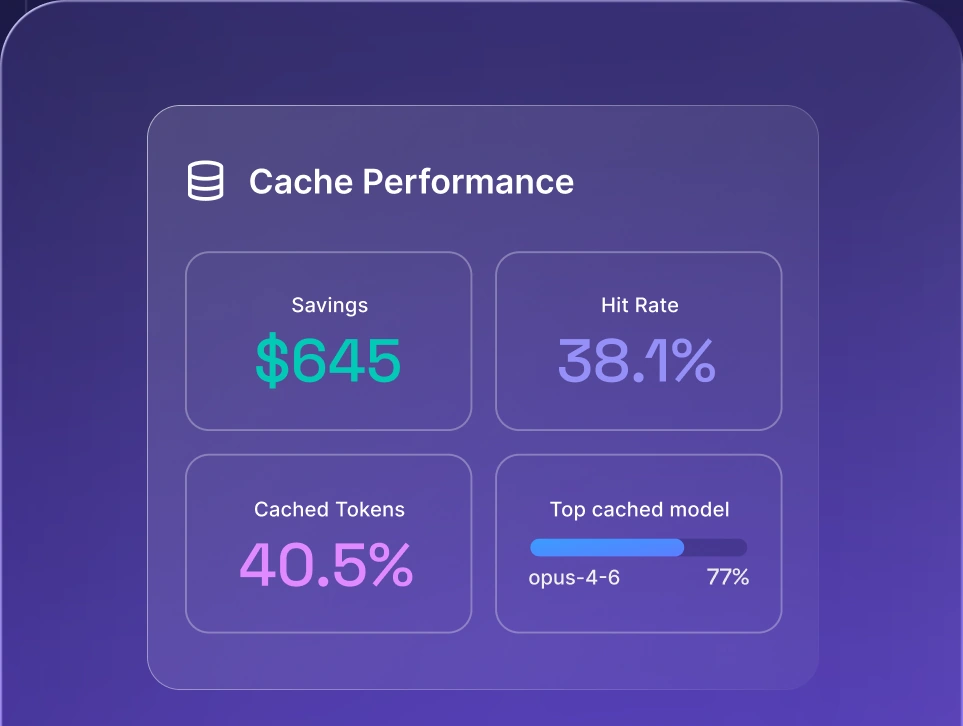
Optimize AI costs

What is Orq.ai?
Orq.ai is an end-to-end LLMOps and generative AI collaboration platform that covers the full LLM lifecycle: design, deployment, monitoring, and optimization. Orq.ai is built for developers and product teams who want deep control over how models move from idea to production.
Orq.ai documents capability areas across an AI gateway, RAG, experimentation, prompt engineering, evaluation, observability, and agents. For engineering teams that live inside the model development loop, that depth is a genuine strength, and Orq.ai earns its reputation as a serious ops platform for LLM development.
Key features comparison: nexos.ai vs. Orq.ai
Both platforms centralize AI, yet they express that idea in very different ways. nexos.ai focuses on a unified AI Workspace where any team member can reach many models, compare them, and build Agents, all wrapped in strong security. Meanwhile, Orq.ai prioritizes the developer lifecycle, giving engineers granular tools to experiment, evaluate, and deploy multiple LLM apps at scale.
The category-by-category breakdown below keeps each capability factual. Where a feature is not publicly confirmed for a vendor, treat it as a point to verify rather than a settled fact.
Unified model access and AI gateway
nexos.ai provides unified AI access through a single point, so you reach 200+ leading models without wiring up separate accounts. The nexos.ai AI Gateway routes each job to the best model and gives you one secure control layer over every request, which keeps cost, access, and security in your hands.
Orq.ai offers a comparable single entry point through its model garden and a unified API, letting developers call many models behind one interface. Both platforms remove the pain of missing keys, but nexos.ai frames the gateway as a governance and security hub for the whole company, while Orq.ai frames it as developer infrastructure.
AI chat and model comparison
nexos.ai ships an AI chat that anyone can use, plus a side-by-side model comparison feature. You query several models at once and compare answers in one view, so you pick the best model for the task without guessing. Compare AI models directly to feel the difference before you commit.
Orq.ai delivers prompt and LLM comparisons through its playground, where developers test different models against the same prompt. Both approaches help you choose the right model, but nexos.ai aims the experience at every user, while Orq.ai aims it at technical users in an experimentation flow.
AI Agents and the Agent Builder
nexos.ai gives you no-code Agents and an Agent Builder so your team can create helpers for real work without touching a line of code. Your crew builds an Agent, points it at the right tools and data, and puts it to work non-stop.
Orq.ai supports Agentic workflows, tracing, and deployment aimed at developers who want fine-grained control over how Agents run in production. Both platforms take Agents seriously. nexos.ai leans toward accessible building for teams, while Orq.ai leans toward engineering control and observability across Agent runs.
RAG and knowledge bases
nexos.ai connects your knowledge and data to AI so answers reflect your own context, not just generic training. Grounding models in your files and systems is where retrieval shines, and you can learn what RAG in AI means for accuracy.
Orq.ai documents RAG as a core part of its platform, with retrieval pipelines that developers can tune inside the LLM lifecycle. Both platforms support retrieval-augmented generation, so the real question is whether you want it ready to use or fully configurable in code.
Observability and monitoring
nexos.ai gives you monitoring, logging, and token tracking so you always see what your AI is doing and what it’s costing you. Full visibility keeps performance and spend in check across every team, so cost and performance stay predictable across every team. Dig into LLM observability to see how the platform surfaces performance and usage data.
Orq.ai documents observability, traces, and evaluation tuned for engineers who need to debug and improve model performance at the request level. Both platforms treat monitoring as essential, and both help you protect performance and control cost over time.
Governance and guardrails
nexos.ai puts governance and security first, with access controls, policy enforcement, and content controls that keep your data and your company safe. Strong AI governance means the right people reach the right models under the right rules, which helps you ensure compliance without slowing your team down.
Orq.ai provides guardrails and controls oriented toward developers shipping LLM apps responsibly. Both platforms take governance and security seriously, and both help you keep AI activities inside your policies as you scale.
Security and compliance comparison
Security is where many teams make their final call, so it deserves a clear, factual comparison. Both platforms treat security and compliance as core to the product, and neither should be judged on hype.
The nexos.ai platform builds security and compliance into every layer, from encryption to access controls to detailed audit logs, and is SOC 2 Type 2 and ISO 27001 certified.
Orq.ai states that it aligns with SOC 2 Type 2, GDPR, and the EU AI Act, which signals a mature approach to data security for developers. Verify each vendor's current security and certification status before you commit, since compliance posture changes over time. For a deeper look at how nexos.ai protects your data, read about AI security.
Security dimension | nexos.ai | Orq.ai |
|---|---|---|
Certifications | SOC 2 Type 2 and ISO 27001 certified | SOC 2 Type 2 certified |
Data protection | Encryption at rest and in transit, zero data retention options, and no training on customer data | Encryption, zero data retention, and no customer data training |
Compliance | GDPR compliant and EU-hosted with EU data residency | GDPR and EU AI Act aligned |
Access control | SSO/SAML, RBAC, admin controls, and policy enforcement | RBAC, SSO, SCIM provisioning, and audit logs |
Takeaway: both platforms take security seriously, so the deciding factor is often whether you want security and governance built into a shared workspace or into a developer ops platform.
Pricing comparison
Pricing shapes the final decision as much as features and security, so weigh each model against your team size and usage. Because pricing changes often, confirm current details from each vendor's official pages before you commit, and never rely on old figures.
nexos.ai prices around a full AI Workspace plus gateway for the whole team, so you pay for one platform instead of many separate tools. You manage one bill, save money on overlapping subscriptions, and run all your AI projects from a single place. Orq.ai prices around the LLM lifecycle for teams building and shipping LLM apps, so its model fits engineering-led organizations. Both offer ways to try before you buy, so test each one with a real task first.
Pricing element | nexos.ai | Orq.ai |
|---|---|---|
Free option | None, 14-day money-back guarantee | Free Developer plan |
Pricing model | Personalized pricing | Growth plan: $35/user/month |
Enterprise | Custom pricing for teams of 50+ | Custom pricing, with optional add-ons from $300/month |
Takeaway: nexos.ai suits teams wanting a workspace plus gateway, while Orq.ai suits developers building LLM apps end to end.
Who should choose nexos.ai?
nexos.ai fits technical and non-technical teams that want unified access to leading models, an easy AI chat and model comparison, an Agent Builder, and centralized governance and security in one platform. nexos.ai also fits companies that need one secure home for AI across every department, not a separate system for each side of the business. For enterprise teams, the draw is strong security, compliance, and control over data at scale. Read more on enterprise AI to see how larger organizations put one AI platform to work.
PRO TIP: If your team includes non-engineers who need to use multiple models daily without touching code, prioritize a platform with a ready-to-use AI Workspace plus governance and security built in.
Who should choose Orq.ai?
Orq.ai fits engineering and product teams that want granular control over the LLM lifecycle, including experimentation, evaluation, and deployment. Orq.ai is a strong fit for developers who live in code and need to tune model performance at request level.
If your organization ships LLM apps as a core product, Orq.ai gives your developers the deep tooling they expect, with real strengths in prompt engineering, evaluation, and observability. Orq.ai’s focus on the developer lifecycle is a serious advantage that drives many engineering teams to pick it with confidence.
nexos.ai vs. Orq.ai: How to decide which one to choose?
The best choice comes down to a few honest questions about your team, your goals, your approach to AI orchestration, and your security needs. Run through this short decision framework before you pick.
- How technical is my team? If non-engineers need to use AI daily, a ready-to-use AI Workspace wins. If your users are all developers, a lifecycle ops platform may fit better.
- Do I need an all-in-one workspace or a developer ops platform? Choose nexos.ai for a shared workspace and gateway, or Orq.ai for deep LLM lifecycle control.
- What are my governance and security needs? If strong security, compliance, and centralized control matter most, favor a platform built around governance from day one.
- How important is unified model access? If your team must compare and switch between many AI models fast, prioritize the platform that makes unified access effortless.
- What does AI orchestration look like for us? Learn how AI orchestration ties models, tools, and data together so your future stack stays flexible.
Answer these, and the right platform for your team becomes clear. If you are weighing other options too, see how nexos.ai vs. Truefoundry, nexos.ai vs. Portkey.ai, and nexos.ai vs. Langdock stack up.


Run every AI model in one Gateway
One secure, lightweight layer to access, route, and manage 200+ models.
